
By Evan Lanzendorf, Museum Educator
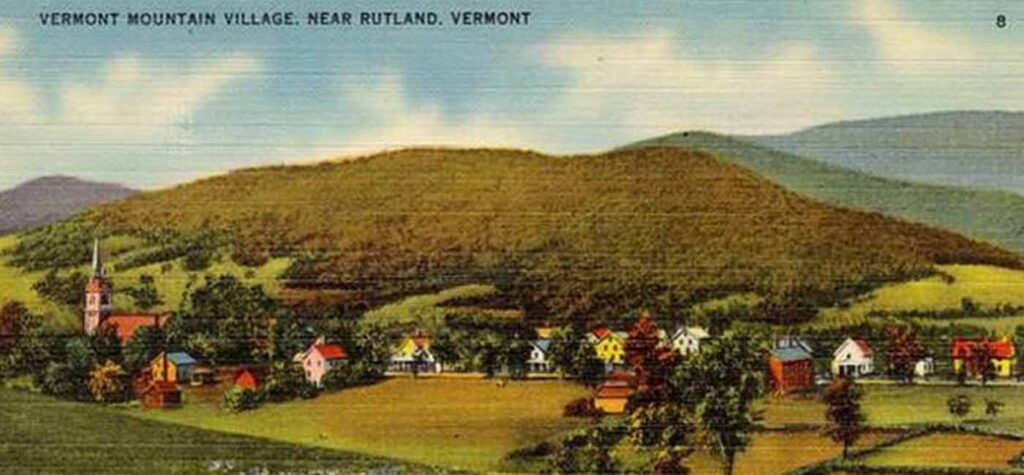
Rolling hills, snowcapped mountains, dazzling leaves, and gorgeous wildlife are a staple of Vermont’s image. Every season at Lake Champlain Maritime Museum, we are privileged to play a part in presenting the story of this area to the public. The history of Vermont and Lake Champlain has long been shaped by many economic and societal factors in the wake of colonial settlement. Changes in land use, transportation, and natural perception have taken Vermont to the forefront of tourism in New England and, today, the Museum’s work in public history is a part of this scene!
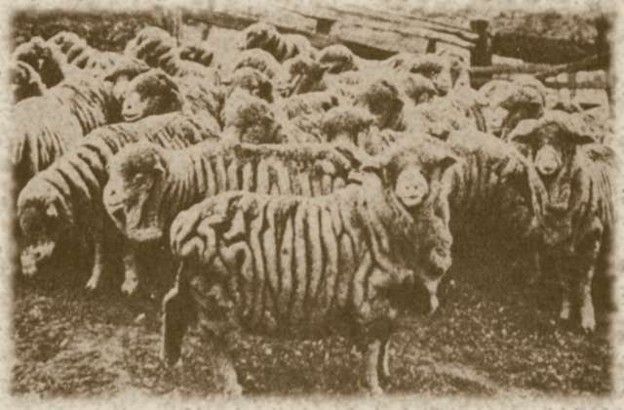
In the early 1800s, many residents of Vermont began to move away from the subsistence lifestyle that had provided for small communities and families. Due to new technology, and the importation of coveted Spanish Merino sheep, whole communities began to specialize in larger scale farming and raising of livestock. As such, the population of Vermont doubled between 1800 and 1850 (How Vermont became a destination), and rapid deforestation spread across the landscape to accommodate the grazing needs of over one million sheep. However, this rapid growth of specialized farming was not isolated to Vermont, and with the construction of many early American canals and railroads, cheaper Midwestern competition put immense pressure on local farmers. By the 1870s, wool production was no longer a profitable endeavor, and wheat production had shrunk 92% as well.
The construction of Vermont’s railroad system was another contributing factor to the changing landscape. Beginning in the early 1840s, the construction of a complex railroad system gave many isolated towns unprecedented access to the whole state of Vermont, as well as many large nearby cities like Boston and New York. A robust system of steamships on Lake Champlain also augmented the railroad network through the valley. While this steam-powered transportation created opportunities for the agricultural industry like allowing dairy to be transported in refrigerated cars, it also opened the door for many young Vermonters to a world beyond their countryside life. Choosing to move to larger cities or west, this exodus contributed to a two-decade stall in Vermont’s population growth, a cause for major concern for the state.
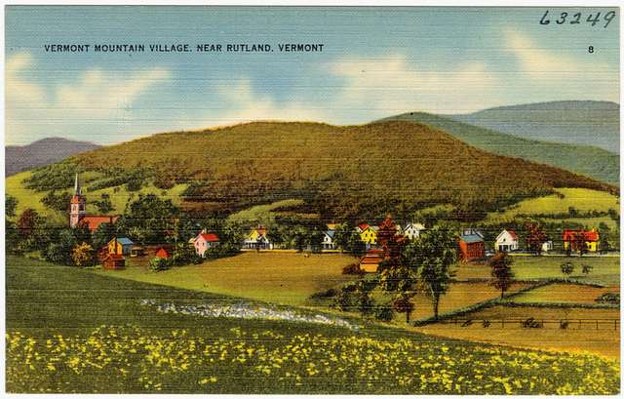
To retain their fading population and reach for a new source of income, Vermont ultimately turned back to the railroads for a solution. As it turns out, the same route young people were taking out of the state was also the route many tourists began to take in. By the 1890s, the rail lines and steamship links provided a convenient way for curious travelers and city dwellers to make their way to Vermont where summer camps established themselves on or around the shores of Lake Champlain. These camps provided a perfect place to escape the summer heat of more southern states and also helped to establish Vermont’s image as a refuge from the dirty, crime-laden cities of the time. The state began to lean into this image, and soon found a market for second home ownership, encouraging seasonal campers to make their own investment in the recently vacated landscape, still ripe with abandoned farmlands. By the 1890s advertisements for state tourism emphasized the scenery including rolling hills and gentle pastures, landing on a gentler, more accessible identity than the rugged Adirondacks and White Mountains of New York and New Hampshire.
Although railroads had established some of the most convenient routes for tourism into the state, they were not the first passages taken, nor the last. Travelers first found easy access to the Champlain Valley with the opening of the Champlain Canal in 1823, and tourists travel travelled increased through the 1800s. Aboard chartered canal boats or canoes, adventurous travelers could make their way across the water with relative ease, as described in Augusta Brown’s 1895 travelogue or Florence Snedeker’s 1892 book, A Family Canoe Trip. Although first seen as a comparatively dirty and dangerous form of travel, towards the end of the 1800s a nostalgic revival found the canals to be clean and safe enough for public use as a route of leisure rather than convenience.
As forms of travel developed in the area, associated forms of recreation appeared alongside them. On the lake, with the acceptance of canal travelling, came the establishment of several yacht clubs. Similarly, with the construction of highways and interstates in the area, skiing exploded in popularity. Each method of transportation, and its associated recreational counterparts, slowly expanded Vermont’s image and identity while allowing for varied, exciting, and accessible tourism opportunities.
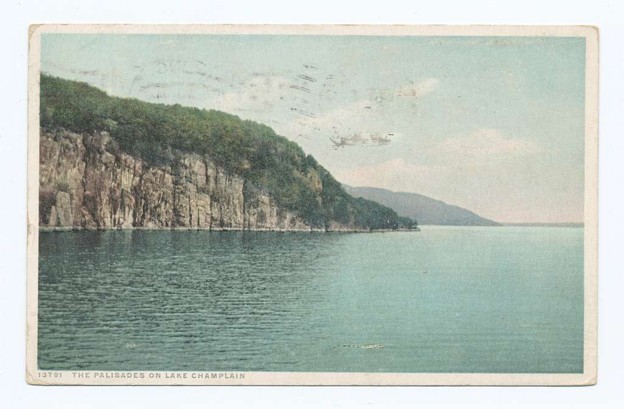
Today, tourism in Vermont is a seven-billion-dollar industry, hosting roughly sixteen million visitors each year from across the world that support the service, entertainment, hospitality, and transportation industries in the state, and these figures are still growing. Opportunities for recreation and natural enjoyment continue to become more accessible, and at Lake Champlain Maritime Museum, we’re thrilled to continue working to promote this accessibility, and to share the history we’ve become a part of.